Italy delights visitors with its art-filled piazzas, historic cities, and unforgettable food. But even seasoned travelers can feel momentarily off balance by aspects of daily life that work differently than they expect.
These cultural differences aren’t obstacles. They are predictable patterns of how life works in Italy. Understanding them ahead of time helps travelers adapt quickly, avoid unnecessary frustration, and enjoy the experience as it is actually lived, not just imagined.
Below are some of the most common culture shocks travelers encounter in Italy, along with practical ways to adapt.
❄️ Comfort Looks Different: Air Conditioning Isn’t Guaranteed
Many travelers are surprised to find that air conditioning isn’t universal in Italy, especially in historic buildings, boutique hotels, and small restaurants. Even during summer, cooling may be limited or absent.
Rather than relying on constant climate control, Italians adapt through architecture and daily rhythms. Shutters are closed during the hottest hours, cross breezes are encouraged, and afternoons move at a slower pace.
How to adapt:
- Dress for warm weather rather than cold interiors
- Schedule museums and indoor visits during midday
- Plan outdoor sightseeing for mornings and evenings
- Expect evenings to feel more comfortable and lively
Why this matters: Navigating the climate like locals will keep you cool and comfortable.
🧺 Laundry Works Differently Than You Expect
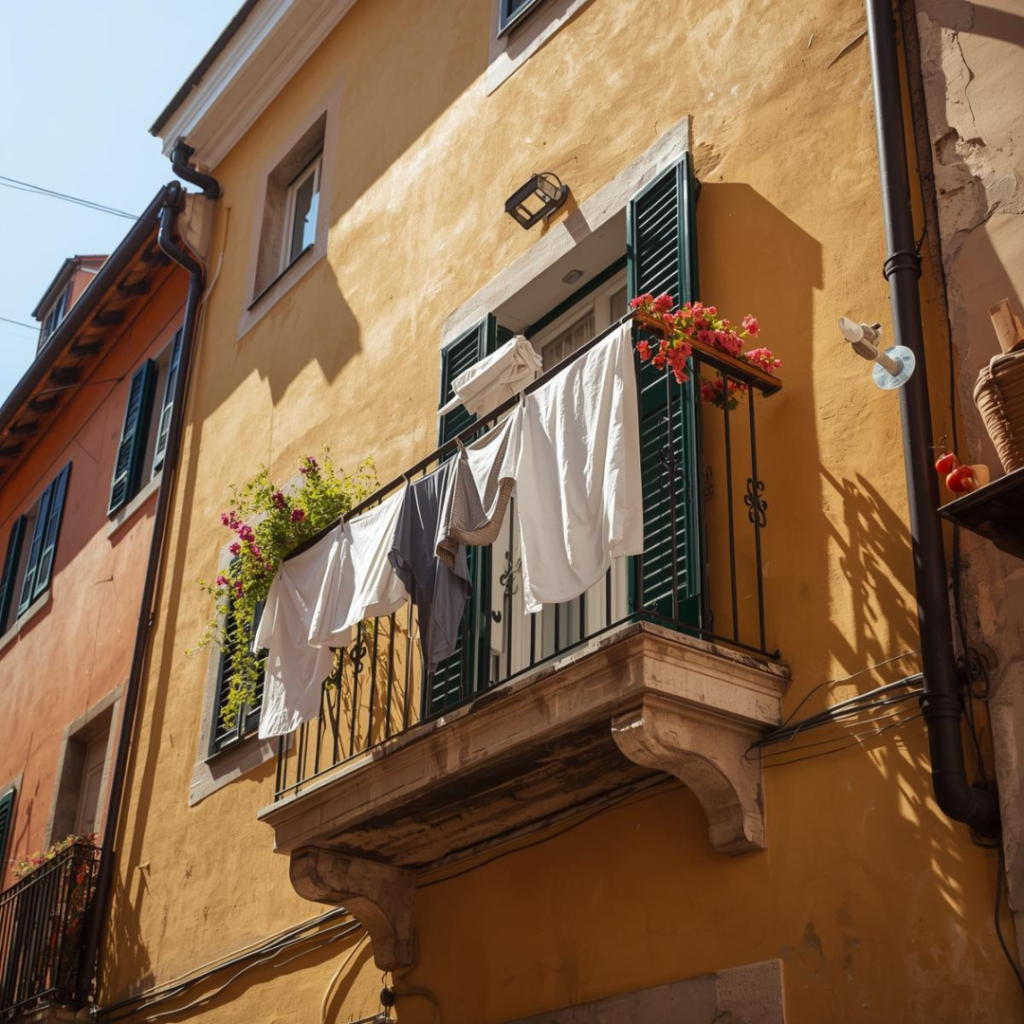
You may be pleasantly surprised to find that apartments and bed and breakfasts in Italy often include a washing machine. Far less common however, are dryers! Even in modern accommodations, dryers are rare, and laundry is typically air-dried.
Drying racks, balconies, and open windows are the norm. Laundry simply takes longer, and that timing matters when you are moving between destinations.
How to adapt:
- Allow a full day (or even day and a half) for clothes to air-dry
- Expect that while some washing machines have a ‘rapid’ wash setting, many regular cycles can take up to 3 hours
- Choose lightweight, quick-drying fabrics
Why this matters: Planning around air-drying prevents last-minute stress and makes laundry feel like a convenience rather than an inconvenience.
⏰ Time Moves A Little Slower
Italy operates on a rhythm that can feel out of sync with travelers used to early meals and all day shopping. Lunch typically begins after 1:00 pm, dinner rarely before 8:00 pm, and many shops close in the afternoon for riposo, especially outside major cities. Sunday closures are also common.
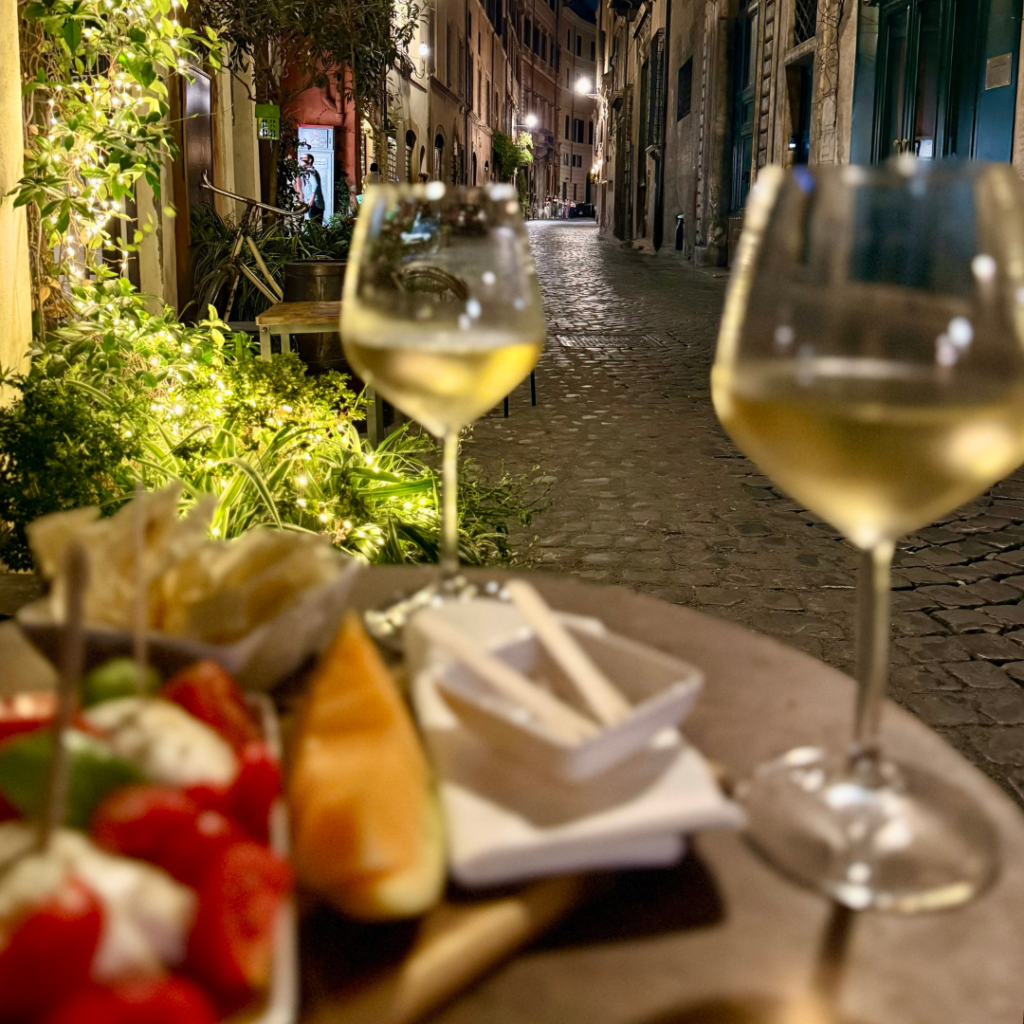
Rather than filling every hour, you may want to do as the Italians do and plan your day around meals, conversation, and rest. Aperitivo serves as a bridge (and snack) between lunch and dinner, and plays an important social role.
How to adapt:
- Try scheduling your restaurant meals like Italians do to enjoy a taste of local life
- Check the opening hours of the shops you wish to visit (even grocery stores)
- Use aperitivo time as a natural pause in the day, and a chance to stay satisfied until dinner
Why this matters: Adjusting expectations prevents frustration and allows you to settle into the local rhythm.
☕️ Coffee Is a Ritual, Not a Beverage
Italian coffee culture is fast, focused, and highly ritualized. It is also very different from what many travelers expect.
Espresso (or simply “caffè“) is standard and usually enjoyed standing at the bar. Cappuccinos are typically reserved for mornings. Ordering a latte will result in a glass of milk. Table service often comes with an added charge.
How to adapt:
- Enjoy coffee as a quick pause rather than a long break
- Save cappuccinos for breakfast time (avoid during or after lunch)
- Expect standing to be the norm
Why this matters: Once you embrace the ritual, coffee breaks become one of the most enjoyable daily habits of travel in Italy.
🍽️ Restaurant Service is Professional (Not Performative)
While meals in Italy are known for being relaxed and lengthy, service interactions are usually fast paced. Wait staff tends to be polite and attentive but not overly chatty. Since tipping is not the primary source of income, service is efficient and genuine rather than performative.
How to adapt:
- Ask for what you need when you are ready
- Expect fewer (if any) check ins during the meal
- Take your time and when you’re finished, ask for “il conto, per favore” (since the check will not be delivered automatically)
Why this matters: It’s important not to confuse direct communication with rudeness. Give your waitstaff the benefit of the doubt!

🚾 Public Restrooms Require Planning
Public restrooms are less common in Italy than in some other countries, and many charge a small fee. Facilities are most reliably found in train stations, museums, and cafés, where making a purchase is customary.
How to adapt:
- If you find yourself at an attraction which offers a restroom, take the chance to use it!
- Carry small coins in case you have to pay a small fee
- Not all facilities are well-equipped with toilet paper or soap, so pack what you need.
Why this matters: Being prepared and informed turns a potential inconvenience into an easy solve!
💬 English Is Common, but Not Universal
In major cities and tourist centers, English is widely spoken. In smaller towns, rural areas, and family-run businesses, it may be limited or not spoken at all. This is not a lack of hospitality; it simply reflects everyday life.
As travelers, we have the responsibility to adapt to the local language (not the other way around). While many Italians will happily speak in English, it can’t be assumed (especially outside high-traffic tourist zones).
How to adapt:
- Learn a few basic Italian phrases before arriving
- Use simple, polite language and gestures when needed
- Be patient and appreciative of effort on both sides
Why this matters: A respectful approach goes a long way, and even minimal Italian is often met with warmth and goodwill.
Final Thoughts
Italy’s cultural differences are part of what makes travel here so memorable. Understanding how daily life works allows travelers to adapt quickly and enjoy the country more fully. Good planning isn’t about eliminating surprises. It’s about knowing which ones are coming and meeting them with curiosity rather than frustration.
Planning a trip to Italy? Understanding local rhythms and expectations helps trips feel well paced, realistic, and far more enjoyable.