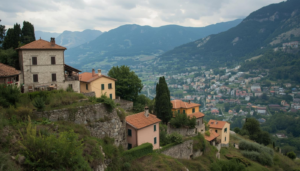
Many travelers return from Italy saying the same thing: the trip was incredible, but they were more tired than they expected to be.
Often, this has very little to do with the destinations themselves. More often, it comes down to pacing. When the rhythm of a trip feels balanced, days unfold naturally and energy stays steady. When too much is packed in, even wonderful experiences can start to feel rushed.
Good pacing is what turns a full itinerary into an enjoyable one.
What Good Pacing Actually Means
Pacing is not about doing less for the sake of doing less. It’s about creating a natural flow so that each day feels manageable, interesting, and comfortable.
A well-paced trip still includes meaningful experiences, guided visits, and time to explore. The difference is that those moments are given space. There is time to linger over meals, wander a neighborhood, or pause without feeling like you are falling behind.
Trips that feel enjoyable tend to have a rhythm. Some days are fuller, others are lighter, and the overall experience feels balanced rather than rushed.
One Anchor Per Day
One of the simplest ways to create a smooth pace is to build each day around a single anchor experience.
That might be a morning walking tour, a visit to a museum, or a day exploring the countryside. Once that main piece is in place, everything else can happen more naturally around it. A relaxed lunch, time to wander, or a spontaneous stop along the way often becomes just as memorable as the planned activity.
When multiple major experiences compete for the same day, the pace quickly becomes tight and the day starts to feel like a checklist. With one anchor, there is room for the day to breathe.
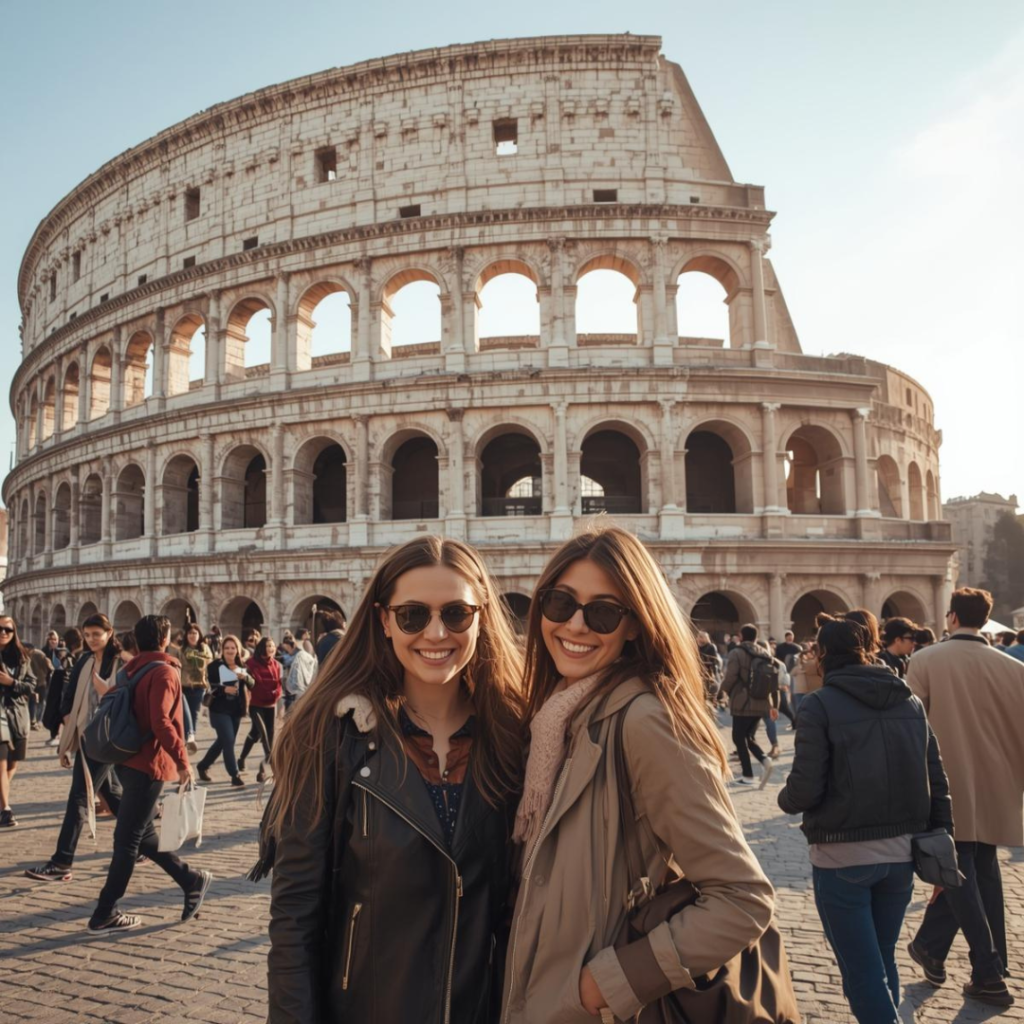
Arrival Day Sets the Tone
The day you arrive in Italy often feels full of excitement, but it can also be unpredictable. Flights can be delayed, luggage can take time to arrive, and energy levels vary more than expected.
Booking a structured tour on the day of arrival can add pressure if timing shifts. A delay can mean missing a reservation, dealing with a cancellation, or starting the trip with unnecessary stress.
A gentler approach usually works better. A walk near your hotel, a simple meal, and an early night help you settle in and adjust. Starting slowly often sets a calm and positive tone for the rest of the trip.
Protect the Last Evening
The final night is another moment that benefits from a lighter touch.
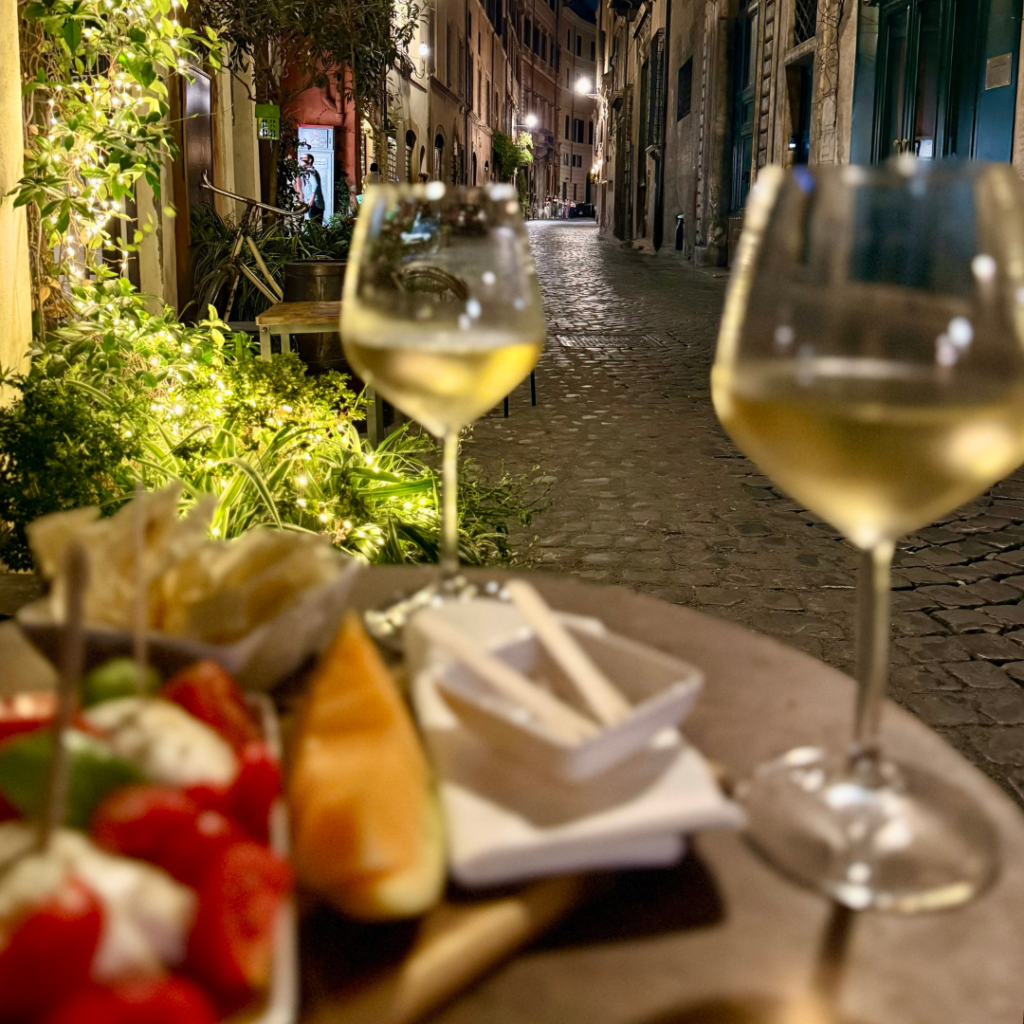
Packing takes more time than most people expect, and early departures the next morning often mean needing rest. Planning a relaxed dinner in a familiar neighborhood can feel like a natural way to close the trip, without the pressure of fitting in one last major activity.
Ending calmly helps the entire experience feel complete rather than rushed.
Consider Travel Days
Days spent moving between destinations can be more demanding than they look on paper. Packing, checking out, transferring, and finding your way in a new place all take time and attention.
In many cases, hotel check-in is not available until later in the afternoon. That leaves a stretch of time where you may be managing luggage, finding a place to store bags, and trying to decide how to use the day. Even when luggage storage is available, dropping things off and coming back later adds an extra layer to navigate.
For some travelers, this is where sightseeing transfers can be especially helpful. Instead of treating the day as lost time, the journey itself becomes part of the experience. You can move between destinations, stop along the way, and keep your belongings safely handled while still making use of the day.
The key is recognizing that travel days are not neutral. They shape the rhythm of the trip just as much as sightseeing days do.
Balance Full Days with Lighter Ones
Museum visits, guided tours, and long walks through historic cities are wonderful, but they can be mentally and physically demanding. When several of these days are placed back to back, energy can dip more quickly than expected.
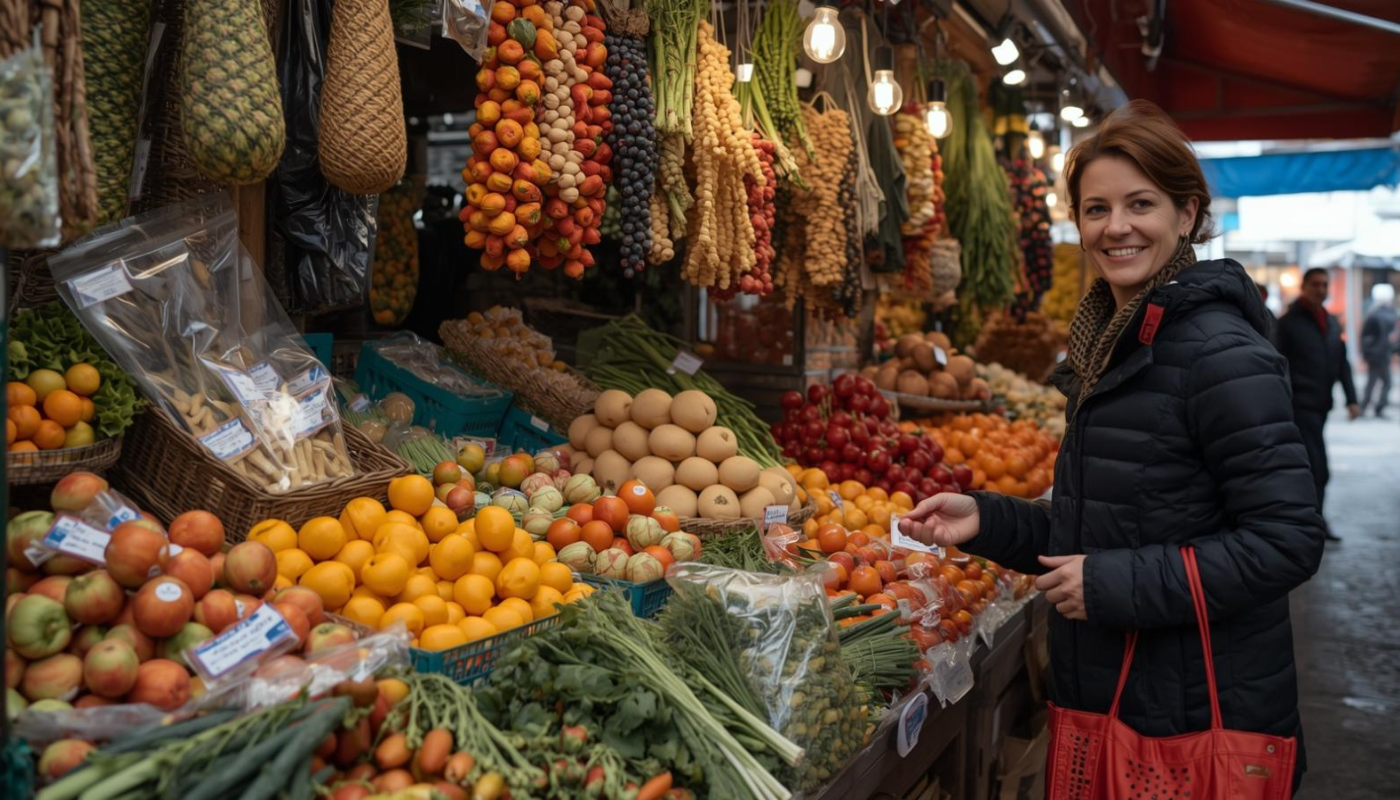
Alternating fuller days with lighter ones helps keep the experience enjoyable. After a busy day, something simple like exploring a neighborhood, visiting a local market, or enjoying a long meal can feel just right.
That contrast is what keeps the trip feeling comfortable and sustainable.
A Final Perspective
Pacing is one of the most important, and least visible, parts of a well-designed Italy trip. When the rhythm is right, you can feel it.
Meals are enjoyed rather than rushed. Evenings feel relaxed instead of exhausting. You find yourself noticing small details and remembering moments clearly. There is time to wander, pause, and take in where you are without constantly checking the clock.
It’s not about doing less, but about creating enough space to actually enjoy what you are doing. With thoughtful pacing, it becomes easier to stay present, relaxed, and fully engaged in each place along the way.
Planning a trip to Italy? Learn more about how we work and whether our approach is the right fit before moving into planning.